
Key Steps in Installing a Home Heating System
Installing a heating system in your home is an essential step to ensure comfort during colder months. It’s not just about warmth; it’s about efficiency and reliability. The process involves several crucial steps that need careful consideration, from selecting the right system to proper installation techniques. By understanding this process, you can make informed decisions that guarantee both comfort and energy savings in the long run.
Selecting the Right Heating System
Choosing the best heating system for your home is the first important task. Factors such as the size of your home, climate, and budget play a significant role. Common options include furnaces, heat pumps, and boilers. Each type has its advantages. For instance, heat pumps are energy-efficient while furnaces are known for their cost-effectiveness.
The Role of Professional Assessment
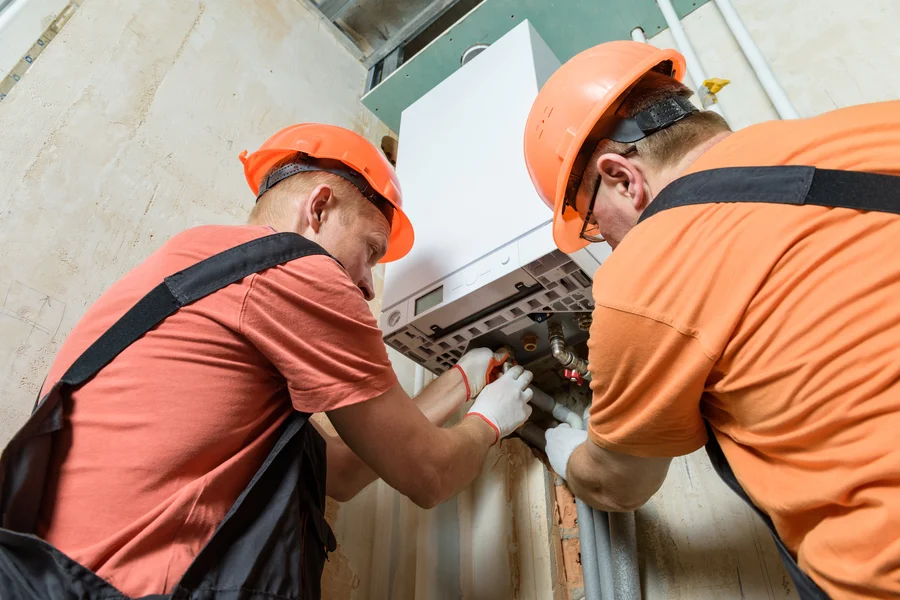
Before proceeding with heating installation, a professional assessment of your home is necessary. Experts evaluate your home’s layout, insulation, and existing ductwork to determine the most suitable system. This assessment ensures that the new heating system will operate efficiently and meet your home’s specific needs.
Importance of Proper Sizing
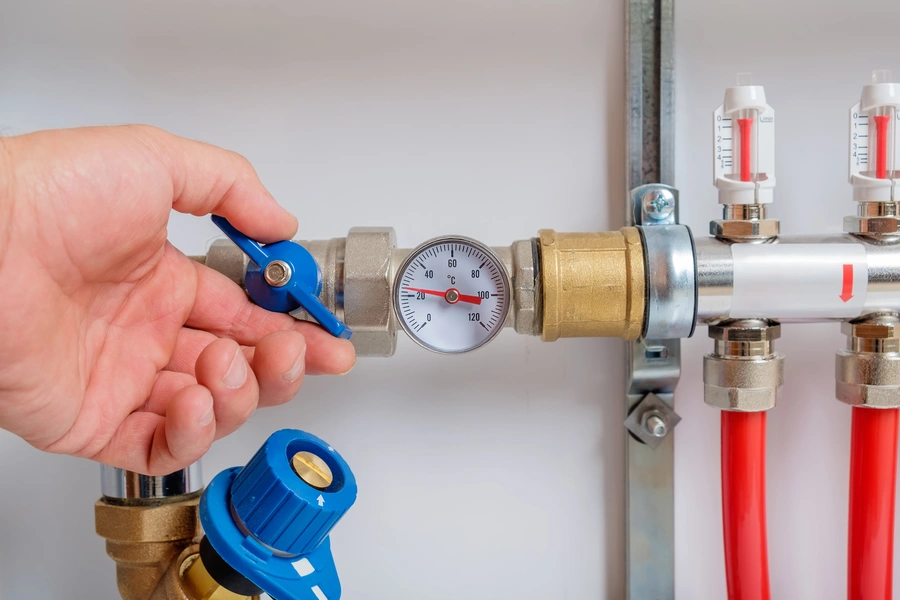
An often overlooked but vital aspect of heating installation is choosing the correctly sized unit. A system that’s too small won’t heat your home effectively, while one that’s too large will cycle on and off too frequently. Both scenarios lead to inefficient operation and higher energy costs. Professionals calculate the right size using factors like square footage and local climate conditions.
Installation Process Overview
The actual installation process involves several key steps:
- Removing any old equipment if needed
- Setting up new ductwork or modifying existing systems
- Connecting the heating unit to the fuel source
- Testing the system for correct operation
Each stage requires precision and expertise to ensure optimal performance and safety.
Common Challenges During Installation
A few challenges may arise during heating installation. These include issues with existing ductwork, space constraints for placing the unit, and ensuring proper ventilation. Addressing these challenges is crucial to avoid future problems. Working with experienced professionals helps navigate these obstacles effectively.
Best Practices for Efficient Operation
Following best practices after installation ensures your system runs smoothly:
- Schedule regular maintenance checks
- Clean filters periodically to maintain airflow
- Seal ducts to prevent leaks
- Adjust thermostat settings based on seasonal changes
These simple steps extend the lifespan of your heating system and boost its efficiency.
Cost Factors to Consider
The cost of installing a heating system varies based on several aspects. These include the type of system chosen, complexity of installation, and any additional features selected. While initial costs might seem high, investing in an efficient system can lead to substantial savings on energy bills over time.
Making Informed Decisions With Expert Help
Understanding the process of residential heating installation equips homeowners to make informed choices. If you’re considering a new system, contacting Whatley Heating and Cooling Construction Cortez will provide expert advice tailored to your needs. Our team in Cortez, CO offers comprehensive services to ensure your home remains warm and comfortable all year round. Reach us at (970) 903-2000 to learn more about how we can assist you.